
How can the UK build on its strengths in science and research to remain globally competitive in life sciences? Nico Reynders, GM, shares his reflections from the 2026 Labour Health & Care Forum
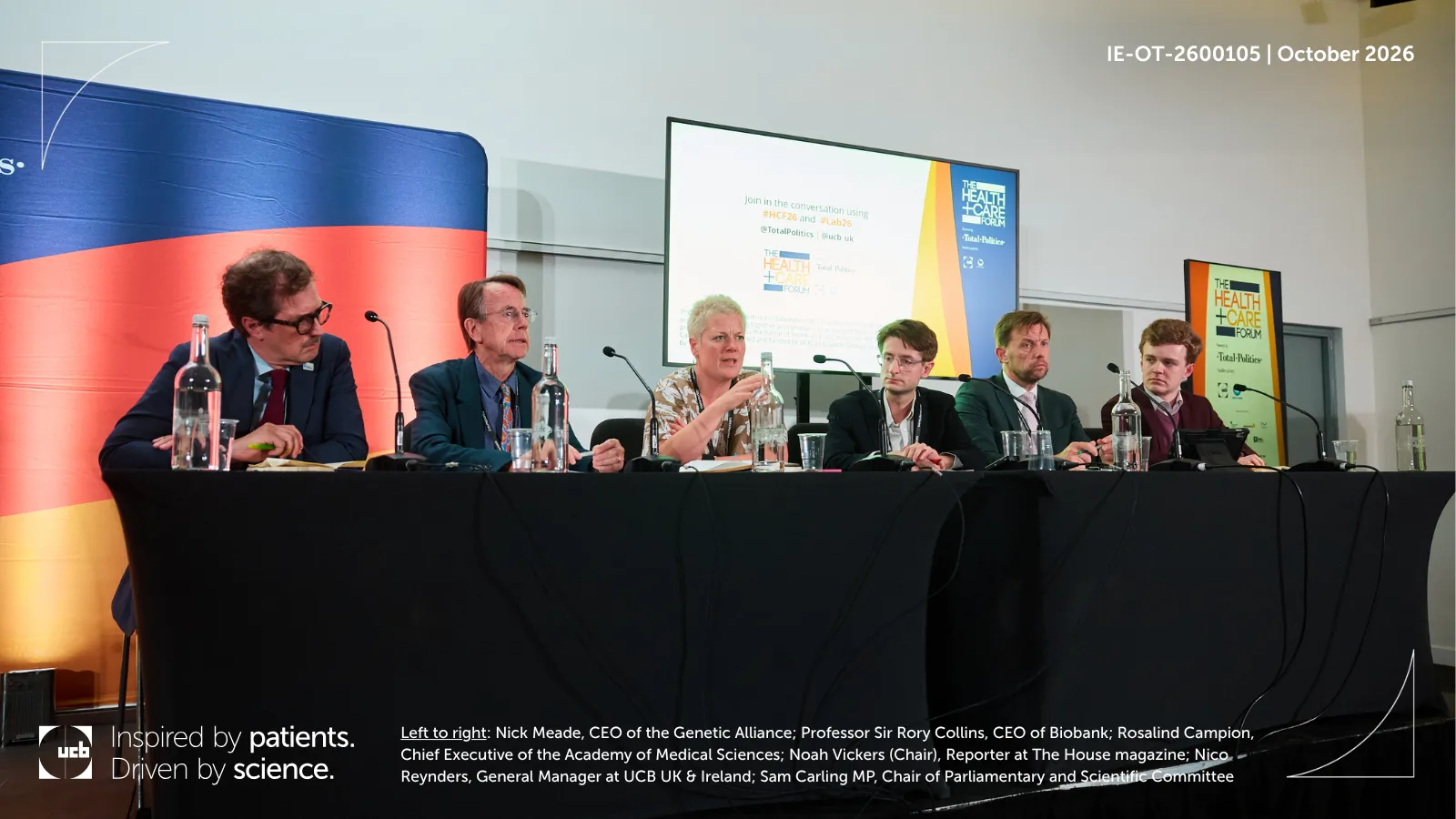
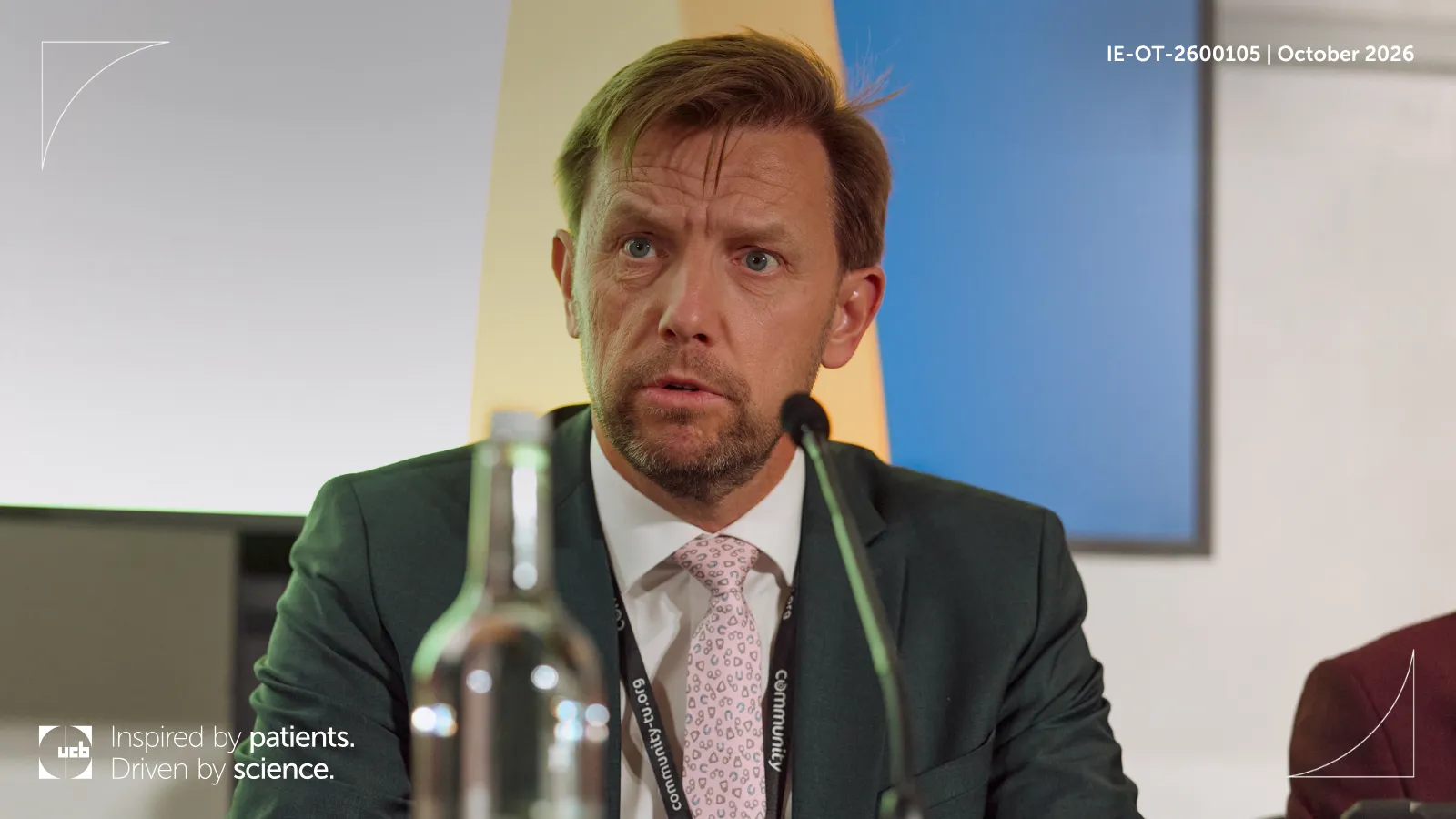
Last week at the Health & Care Forum at Labour Party Conference, I really valued the opportunity to join colleagues from across healthcare, research, patient advocacy and policy to discuss an important question: can the UK become the world's next life sciences powerhouse?
What struck me was the shared sense of ambition in the room, alongside a clear recognition that we cannot take our current strengths for granted. We are home to world-class universities, a strong science base, internationally recognised biotechnology expertise and a long track record of scientific discovery. These strengths have helped establish the UK as a global centre for life sciences innovation.
However, scientific excellence alone is not enough.
The question is not simply whether the UK can generate innovation. It is whether we can collectively create an environment where innovation can move efficiently from discovery through clinical development, regulatory approval and adoption across the NHS to ultimately reach patients.
That matters because global competition is intensifying. Investment, scientific talent and intellectual property are increasingly mobile, and the UK is competing directly with other markets for future research and development activity. While significant investment continues to flow into early-stage research, we must do more to ensure that innovative medicines developed here are also launched, adopted and utilised here.
In my role at UCB, I see first-hand the strengths of the UK ecosystem and the opportunities to build on them. The UK is one of our global scientific hubs, and our experience demonstrates what can be achieved when innovation is supported over the long term. I am particularly proud that treatments discovered at our Slough site are now used by patients around the world, demonstrating the global impact that UK-based science can have.
But there remains an important challenge: connecting the UK's outstanding research base more effectively to patient access. To do that, we need an environment that supports innovation at every stage, from clinical research and development through to regulatory approval and adoption across the healthcare system. Strengthening clinical research, improving trial delivery and ensuring greater alignment across regulation, market access and uptake will help ensure that groundbreaking discoveries continue to be developed, tested and adopted in the UK.
We need all agencies - MHRA, NICE, NHSE - and industry to continue constructive collaboration and align on the shared objectives that will ultimately make the difference that matters - access to innovative medicines for patients in the UK I left the discussion with Rosalind Campion, Professor Sir Rory Collins, Nick Meade and Sam Carling MP feeling optimistic. The UK already has many of the elements needed to succeed, and there is a real opportunity to bring them together more effectively. Getting this right has the potential to deliver benefits not only for patients, but also for innovation, investment and long-term economic growth.
Last updated: October 2026
IE-OT-2600098
Choose a Country
- Global Site – English
- Australia – English
- België – Engels
- Belgique – Anglais
- Brasil – Português
- България – Български
- Canada – English
- Canada – Français
- 中国 – 中文
- Česká Republika – Angličtina
- Danmark – Engelsk
- Deutschland – Deutsch
- France – Français
- España – Español
- Ελλάδα – Ελληνικά
- India – English
- Ireland – English
- Italia – Inglese
- 日本 – 日本語
- 한국 – 한국어
- Luxembourg – Anglais
- Luxemburg – Engels
- Magyarország – Angol
- México & Latinoamérica – Español
- Nederland – Engels
- New Zealand – English
- Norge – Engelsk
- Österreich – Deutsch
- Polska – Polski
- Portugal – español y portugués
- România – Engleză
- Россия – Русский
- Slovensko – Anglický
- Suomi – Englanti
- Sverige – Engelska
- Schweiz – Deutsch
- Suisse – Français
- Türkiye – Türkçe
- Україна – Англійська
- United Kingdom – English
- U.S.A. – English